
El Salvador – La Joya (Women producers)
€16.00 – €46.50
We visited a coffee farm in El Salvador back in January 2024 we had been buying coffee from. And honestly we didnt like what we saw. Workers were not treated well. Their living conditions were poor and we felt our presence there was not welcome. We stopped buying from that farm immediately, but El Salvador never left us. A beautiful country in Central America with a troubled history, tiny in land mass, but with a very big heart. The people we met were so friendly and so proud of their country. And they welcomed us wherever we went. A country not used to tourists and undeservedly so. It has everything. Mountains, beaches and importantly, the perfect tropical climate for coffee to thrive. Its taken us nearly three years of sourcing, but we are thrilled to finally have El Salvador as an origin back in the roastery.
At the beginning of 2021, Caravela discovered a gem in the region: a group of entrepreneurial women who own and work on their farms with exceptional skill and harmony. These women are deeply passionate about coffee growing, a tradition that has been passed down from their parents and grandparents. They have worked tirelessly for years to maintain and enhance this generational legacy, ensuring that their focus remains on producing high-quality coffee.
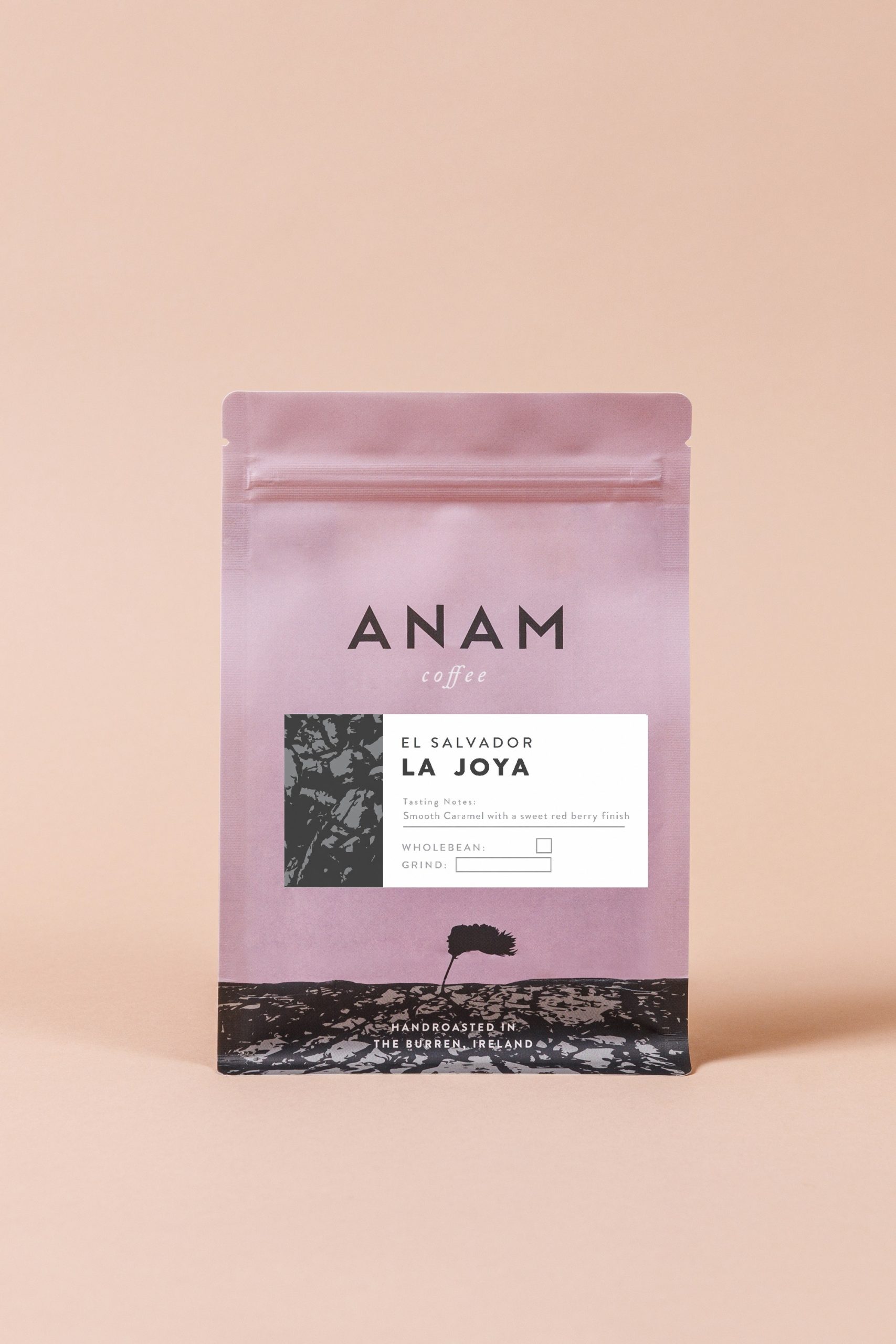
Tasting Notes : Smooth Caramel with a sweet red berry finish
Process: Fermentation for 15 hrs+ & then washed to remove mucilage
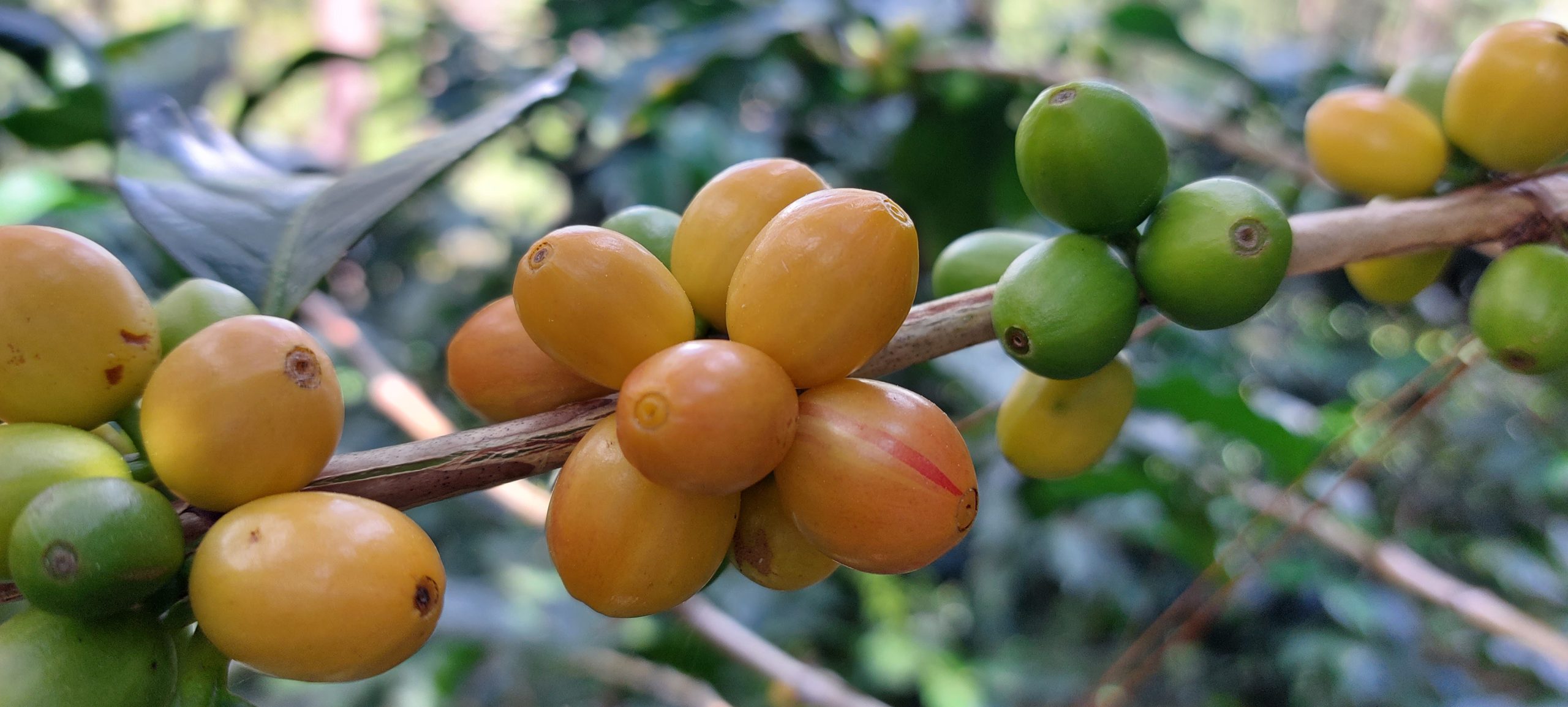
Arabica Variety: Pacamara, Pacas, Costa Rica 95 & Lempira
Harvest Period: Dec – March
| Weight | N/A |
|---|
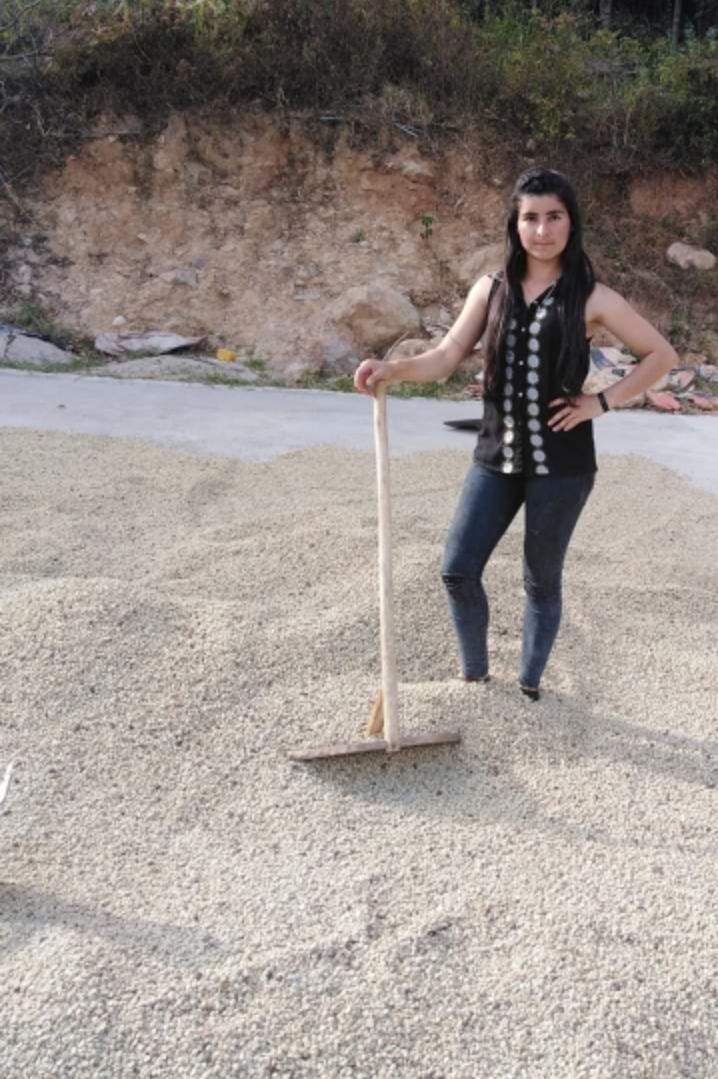
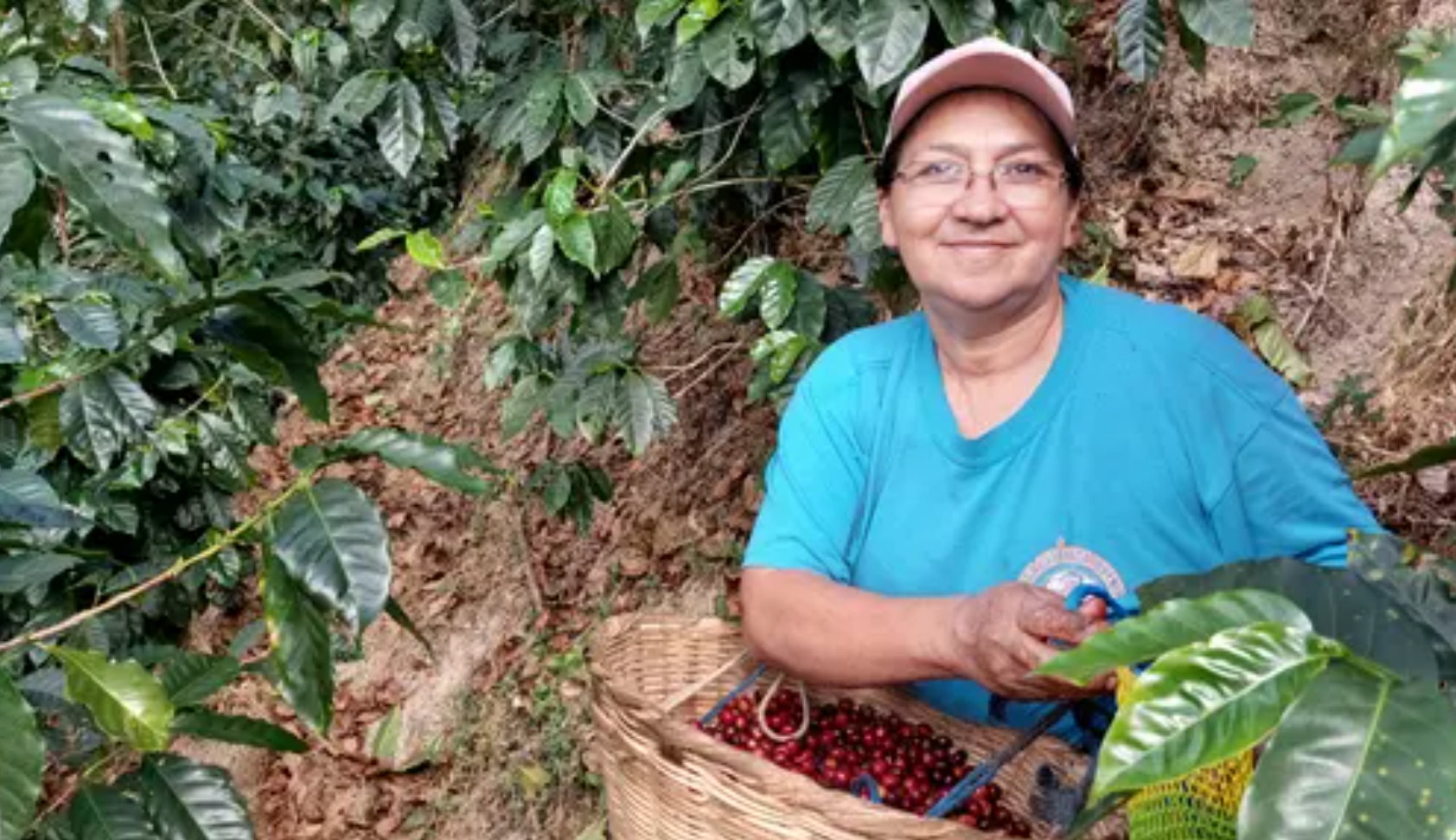
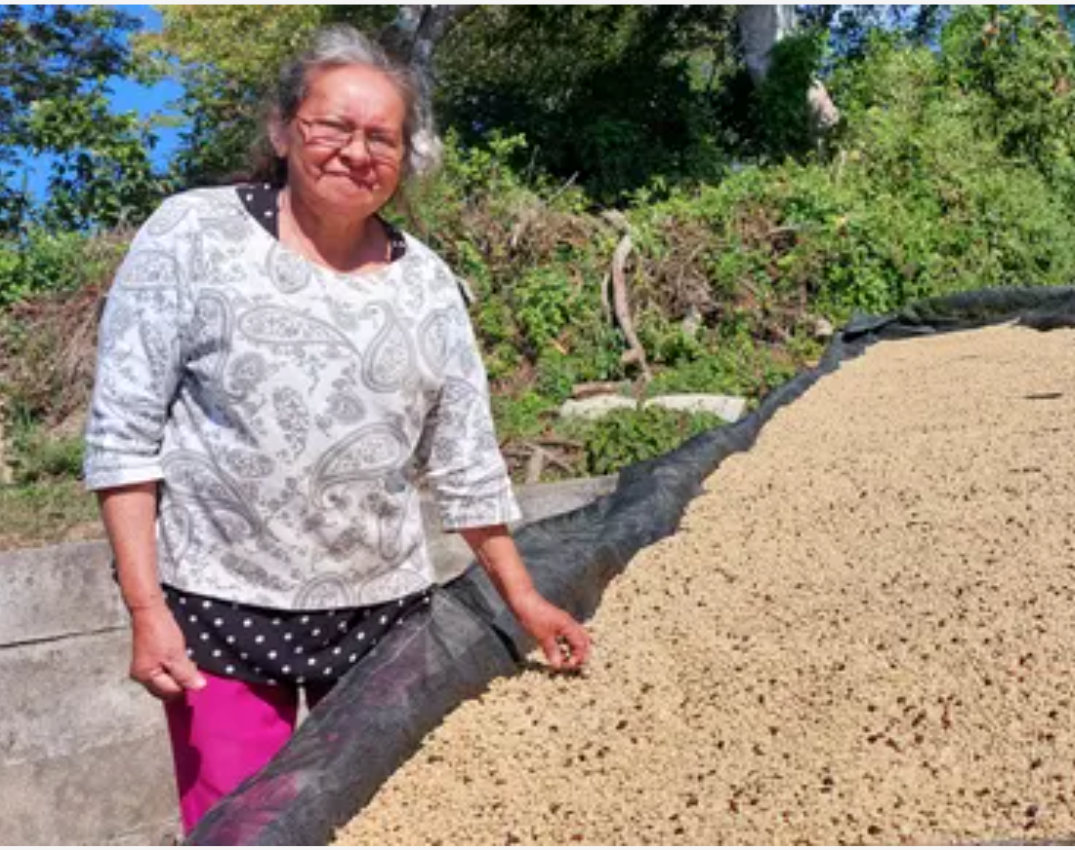
Although not common, along the highlands of El Salvador, our sourcing partner, Caravela sometimes add individual female coffee producers that strive to produce outstanding coffees and sustain their families. All these women and their coffees deserve to be known. We are proud to say that La Joya coffee is a community blend that represents and showcases the coffee that are being produced by these female coffee growers. This community lot comes from the department of Chalatenango, at an altitude of 1605m above sea level. According to our sourcing partner, the women producers who make up this community lot have proven to be strong, passionate, and nearly always more organized in terms of their farm management when compared to their male counterparts!
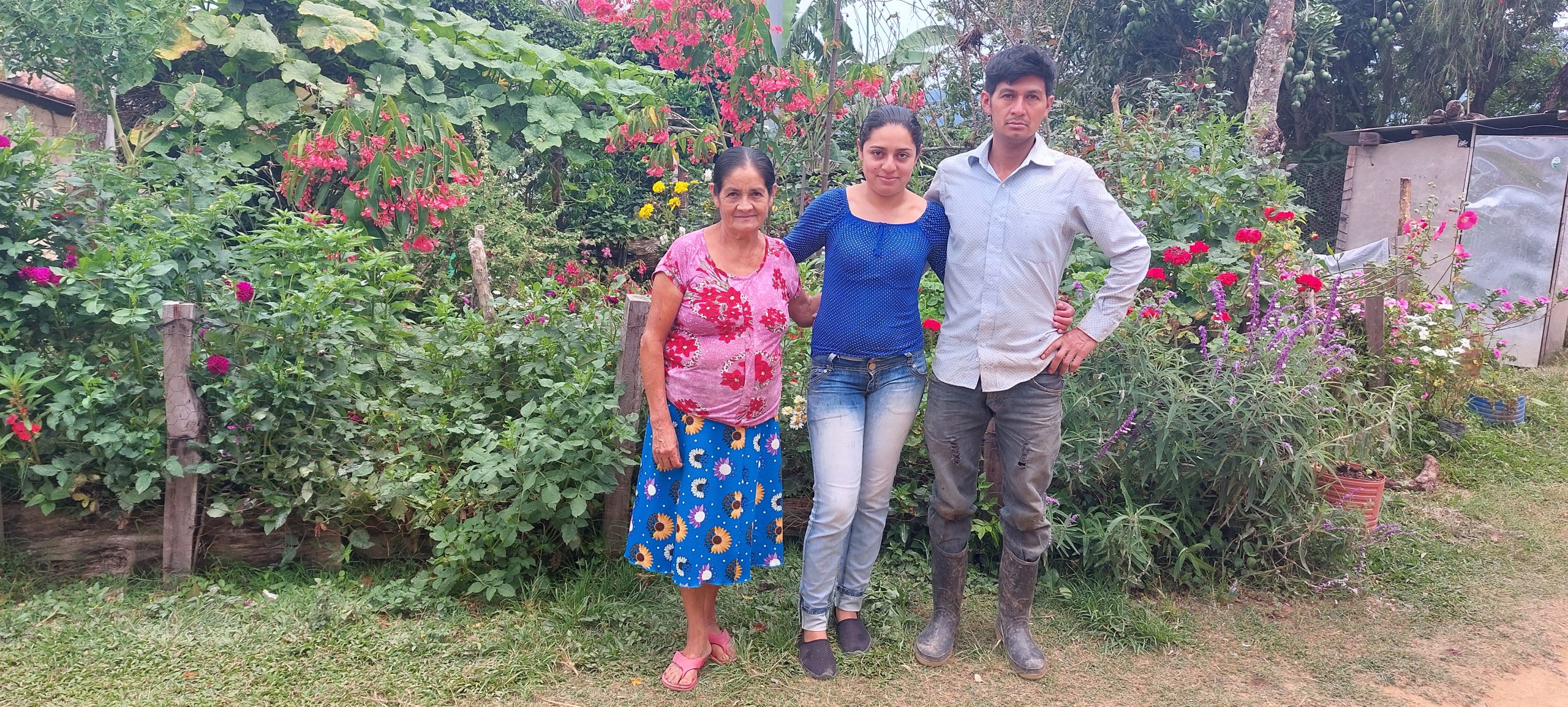
One such producer is Brenda Hernandez. She is an entrepreneur, community leader, and producer of Finca El Ojo de Agua, which takes its name from a natural water spring vital to the farm’s activities. Brenda Hernandez tells us that she loves coffee and life in the countryside. The farm has become her primary source of income, but more importantly, a source of employment for many people in her community. For Brenda, the climate, the soil and her desire to improve things are a great combination and part of her success. She dreams of one day having her own coffee brand, as she is always looking for new projects and opportunities to grow!
She has been working with conventional coffee for 9 years, and 3 years ago, she started focusing on specialty coffee. Furthermore, she says things have changed since then, especially in terms of income, lifestyle and mindset. Over the years, she has been involved in specialty coffee, producing quality coffees rated 85, 86 and even higher. To achieve this, Brenda says she doesn’t work alone but that her farm is a family business, with her mother Emma running the farm, Brenda taking care of all the administration, purchasing inputs, labour and selling coffee, and her father Francisco and brothers responsible for managing the farms.
At Finca El Ojo de Agua, different varieties of coffee are grown, including Pacas, which accounts for 40%, Costa Rica 95 30%, Pacamara 20% and Lempira, 10%. They start with a selective harvest to obtain quality coffee, and the coffee fruits are pulped on the same day on the farm. The coffee is then packed in clean sacks and bags and transported by mules or horses to the house where Brenda lives, 2 kilometres away, to carry out the fermentation process. Depending on the weather, fermentation takes 15 hours or longer in concrete piles. The coffee is then washed and rinsed 2 or 3 times to remove the mucilage. Drying takes place directly under the sun on raised beds. However, due to the microclimate and shade, the coffee is not exposed to the sun all day, so it dries slowly for an average of 15 days. At the end of this process, Brenda stores the coffee in a storage room conditioned for dry parchment coffee before taking the lots directly to the Caravela buying station.
The name La Joya, or the jewel in English, honours one of the most important archeological sites of Mesoamerica, la Joda de Cerén. This World Heritage Site was discovered by accident in 1976 and it represents a journey throughout the Mayan history and culture in Central America. It showcases the meaning of life of this pre-colombian culture.
Related products
-

 €70.00
Select options
This product has multiple variants. The options may be chosen on the product page
€70.00
Select options
This product has multiple variants. The options may be chosen on the product page
Anam Espro Gift Box
-
 €65.00 – €285.00
Select options
This product has multiple variants. The options may be chosen on the product page
€65.00 – €285.00
Select options
This product has multiple variants. The options may be chosen on the product page
Coffee Tasting Subscription
-
 €16.00 – €46.50
Select options
This product has multiple variants. The options may be chosen on the product page
€16.00 – €46.50
Select options
This product has multiple variants. The options may be chosen on the product page
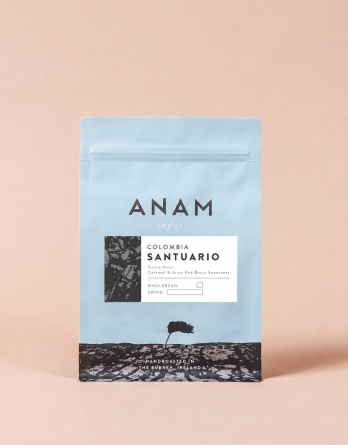
Colombia – Santaurio
-
 €16.00 – €46.50
Select options
This product has multiple variants. The options may be chosen on the product page
€16.00 – €46.50
Select options
This product has multiple variants. The options may be chosen on the product page
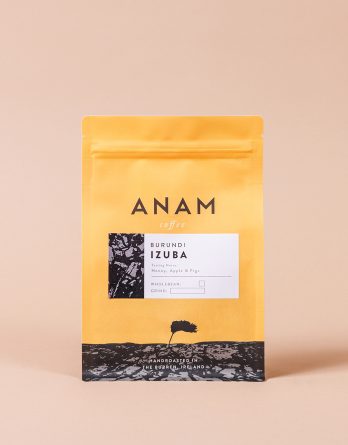
Burundi – Izuba
-

 €40.00
Select options
This product has multiple variants. The options may be chosen on the product page
€40.00
Select options
This product has multiple variants. The options may be chosen on the product page
Anam Beag Gift Box